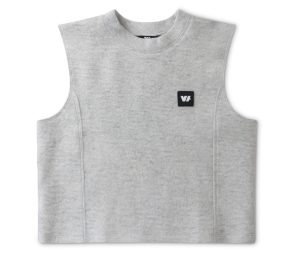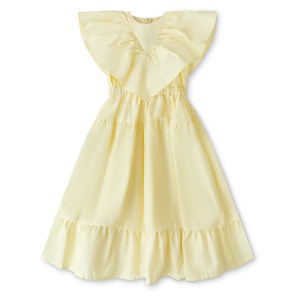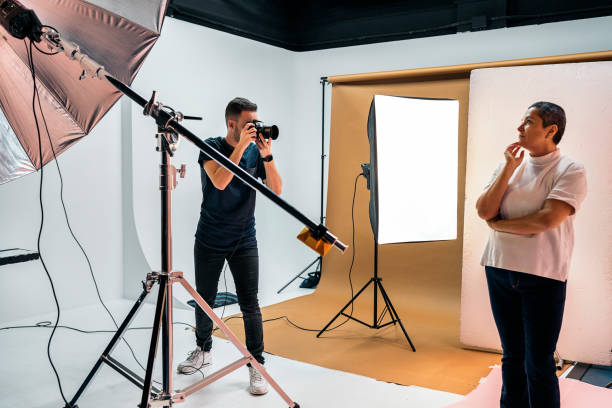
High-quality product imagery plays a critical role in how clothing brands present their collections online. Whether products are displayed on ecommerce websites, social media platforms, digital advertisements, or marketplaces, professional visuals help communicate quality, style, and brand identity.
A successful photoshoot for clothing involves much more than taking photographs. It requires careful planning, creative direction, technical expertise, and an organised production workflow. From concept development to final image delivery, every stage contributes to creating visual assets that support marketing and sales objectives.
For brands seeking structured visual content production, Clixle Studio supports businesses through organised photography workflows designed to meet modern ecommerce and marketing requirements.
Why Professional Clothing Photography Matters
Consumers rely heavily on visual content when purchasing apparel online. Since customers cannot physically examine garments before buying, photography becomes one of the most influential factors in the decision-making process.
Professional imagery helps brands present products accurately while maintaining a consistent visual identity across multiple channels.
Building Customer Trust Through Visual Content
Clear and detailed apparel photography allows customers to better understand garment fit, fabric texture, colour, and design details. Consistent imagery improves the shopping experience and helps customers make more informed purchasing decisions while reducing uncertainty during the buying journey.
Supporting Brand Recognition
A consistent visual style across product collections helps strengthen brand identity. Professional clothing brand photography ensures that every image aligns with established branding guidelines, creating a cohesive presentation that customers can easily recognise across platforms.
Planning a Successful Photoshoot for Clothing
Preparation is one of the most important stages of any photography project. Careful planning helps ensure that production runs smoothly and that final images meet business objectives.
A well-organised photoshoot for clothing begins long before the camera is set up. Brands typically establish goals, creative direction, target audience preferences, and asset requirements to ensure the final imagery aligns with marketing objectives and product presentation standards.
Defining Project Objectives
Every clothing photoshoot should begin with clear objectives. Brands need to determine where the images will be used, which products will be featured, and what type of customer experience they want to create. This information guides styling, photography techniques, and post-production decisions.
Creating a Detailed Shot List
A shot list provides structure throughout the production process. It outlines required product angles, model poses, close-up details, and campaign imagery. Having a detailed plan helps photography teams stay organised while ensuring all required content is captured efficiently.
Preparing Products Before the Shoot
Product preparation directly impacts image quality. Even the most advanced photography equipment cannot compensate for poorly prepared garments.
Attention to detail before the shoot helps create professional and consistent results.
Garment Inspection and Preparation
Each item should be inspected carefully before photography begins. Clothing should be cleaned, steamed, and checked for loose threads, wrinkles, or manufacturing imperfections. Proper preparation reduces editing requirements and helps products appear more polished in final images.
Organising Collections Efficiently
Sorting products by category, colour, season, or campaign objective can improve workflow efficiency. Organised preparation allows photographers and stylists to move through production schedules more effectively while maintaining consistency throughout the session.
Choosing the Right Photography Style
Different clothing brands require different photography approaches. The selected style depends on target audiences, marketing goals, and product categories.
Choosing the right visual direction ensures images align with customer expectations.
Studio Photography for Consistency
Studio photography offers controlled lighting conditions and consistent backgrounds. This approach is commonly used for clothing photography for ecommerce because it creates uniform product imagery that is easy for customers to browse and compare.
Lifestyle Photography for Brand Storytelling
Lifestyle photography places garments within real-world environments. This approach helps brands demonstrate how clothing fits into everyday situations while creating a stronger emotional connection with potential customers.
Managing the Production Process
Once planning and preparation are complete, the production phase begins. Effective management ensures that schedules remain on track and quality standards are maintained.
Professional workflows help minimise disruptions while maximising productivity.
Coordinating Teams and Resources
Successful clothing brand photography projects often involve multiple contributors, including photographers, stylists, models, art directors, and retouchers. Coordination between team members helps maintain efficiency throughout the production process.
Maintaining Consistency During the Shoot
Consistency is essential when photographing product collections. Photographers use standardised lighting setups, camera settings, and composition techniques to ensure all images maintain a cohesive appearance across the entire catalogue.
Key Elements of Clothing Photography for Ecommerce
Ecommerce platforms require imagery that provides clear product information while supporting a positive customer experience.
Professional photography helps businesses meet both functional and visual requirements.
Capturing Essential Product Angles
Customers expect to view garments from multiple perspectives before making a purchase. Common ecommerce image requirements include:
Front-view photographs.
Back-view photographs.
Side-angle images.
Close-up fabric details.
Feature-specific photographs.
Providing multiple views helps customers better understand products before purchasing.
Optimising Images for Online Stores
Ecommerce images should be prepared according to platform requirements. Important considerations include:
Appropriate image dimensions.
Consistent background presentation.
Fast-loading file sizes.
Accurate colour representation.
Mobile-friendly visual quality.
These factors contribute to a better user experience across online shopping platforms.

Post-Production and Image Editing
Photography does not end when the camera session is complete. Post-production plays a critical role in refining images and ensuring consistency.
Professional editing helps enhance image quality while maintaining realistic product representation.
Colour Accuracy and Image Refinement
Accurate colour correction ensures garments appear as close as possible to their real-life appearance. This is particularly important for ecommerce businesses where colour discrepancies can lead to customer dissatisfaction and returns.
Maintaining Consistent Editing Standards
Consistent retouching standards help create a cohesive visual catalogue. Professional editing workflows ensure that lighting, colour balance, contrast, and image quality remain uniform across all product images.
Delivering Assets for Multiple Marketing Channels
Modern clothing brands require visual content across numerous digital platforms. A structured delivery process ensures assets are organised and ready for immediate use.
Professional content management helps maximise the value of photography investments.
Preparing Images for Different Platforms
Different marketing channels require different image formats and specifications. Final assets may be prepared for:
Ecommerce websites.
Social media platforms.
Digital advertising campaigns.
Email marketing.
Marketplace listings.
This flexibility allows businesses to use photography assets efficiently across multiple channels.
Building a Reusable Content Library
Well-organised image libraries support future marketing initiatives. By storing images systematically, businesses can quickly access visual assets for product launches, seasonal campaigns, and promotional activities without requiring additional photography sessions.
How Clixle Studio Supports Clothing Brand Photography Projects
As content requirements continue to grow, brands often seek photography partners capable of supporting ongoing visual production needs. Clixle Studio works with businesses to create structured workflows that help maintain consistency, efficiency, and quality throughout the production process.
Through careful planning, organised photography sessions, and professional post-production workflows, Clixle Studio supports clothing photoshoot projects for ecommerce, marketing campaigns, and brand development initiatives. Businesses working with Clixle Studio benefit from streamlined content production processes designed to support long-term growth and visual consistency.
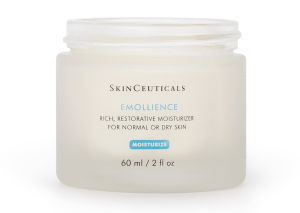
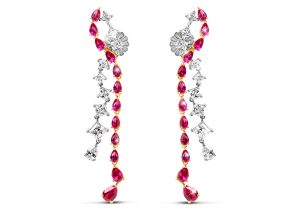
Brands that require specialised product imagery may also explore services available through the beauty product photography section of Clixle Studio, which demonstrates the studio’s experience in creating detailed commercial visual assets.
Conclusion
A successful photoshoot for clothing requires strategic planning, professional execution, and careful post-production management. From preparing garments and defining creative direction to editing images and delivering final assets, every stage contributes to creating effective visual content.
Professional clothing photography for ecommerce helps brands present products clearly, maintain consistency, and support customer decision-making across digital channels. As content requirements continue to expand, organised photography workflows become increasingly important for long-term business growth.
To discuss upcoming projects or photography requirements, Visit Us at Clixle Studio and learn how structured content production can support your brand objectives.
Frequently Asked Questions
1. What is included in a professional clothing photoshoot?
A professional clothing photoshoot typically includes planning, styling, photography, image editing, and final asset delivery for ecommerce and marketing use.
2. Why is clothing photography for ecommerce important?
Clothing photography for ecommerce helps customers evaluate products online by showcasing garment details, fit, colour, and overall presentation.
3. How long does a clothing brand photography project take?
Project timelines vary depending on the number of products, photography style, editing requirements, and content delivery needs.
4. What preparation is required before a photoshoot for clothing?
Garments should be cleaned, steamed, organised, and inspected for imperfections before photography begins to ensure professional results.
5. How can businesses contact Clixle Studio?
Businesses can discuss photography requirements and project goals through the Contact Us page available on the Clixle Studio website.